
Overprocessed lashes are something every lash artist wants to avoid, but knowing how to recognise and manage them is an important part of professional lash lifting.
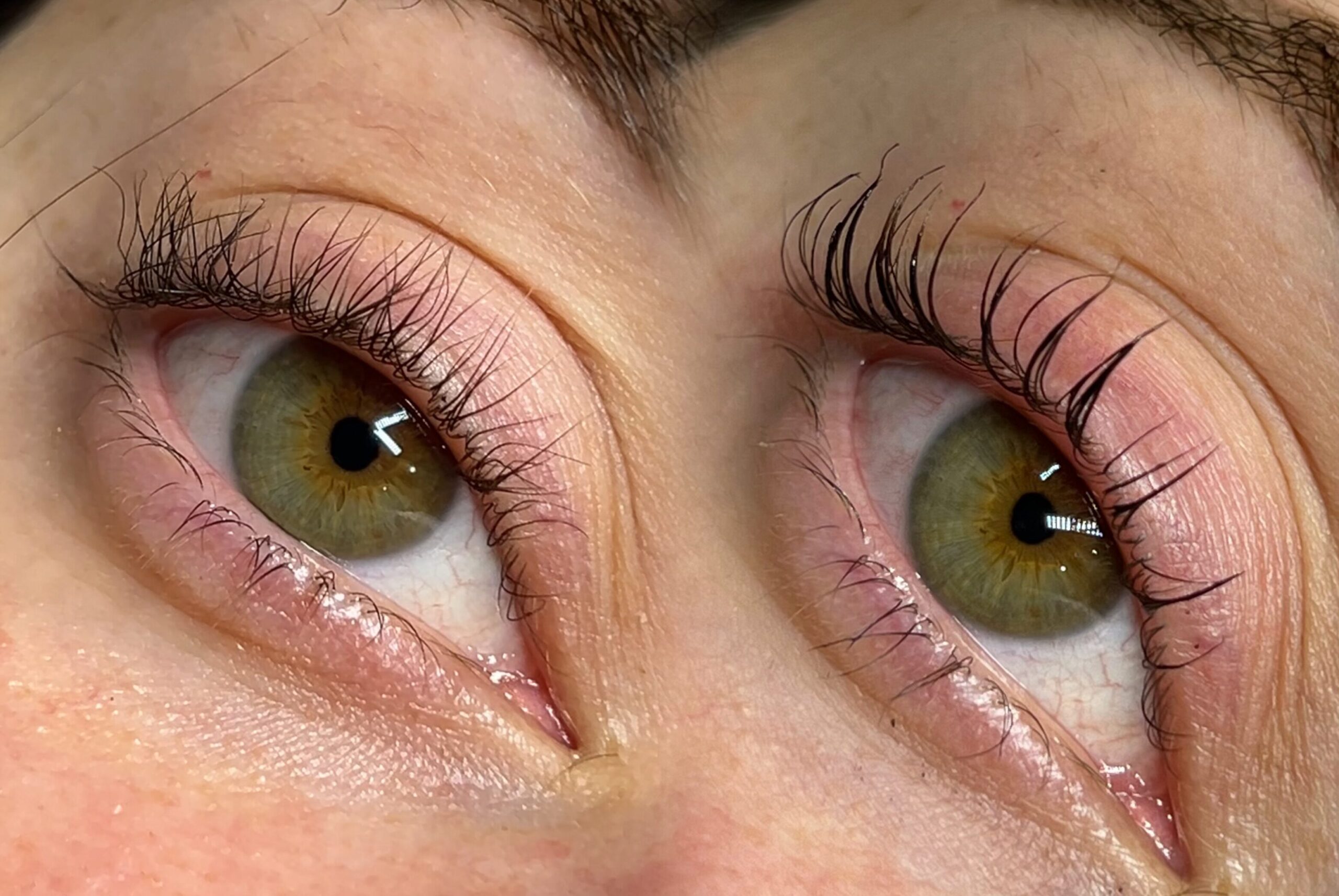
Lashes may become overprocessed when lifting solutions are left on for too long, the processing time is not suited to the client’s lash type, or product is applied to areas of the lash that do not require as much processing. The result can be lashes that appear overly curled, frizzy, dry, twisted or difficult to style.
So, what should you do if you are faced with overprocessed lashes?
First, Assess the Condition of the Lashes
Before applying any additional chemical product, carefully assess the condition of the lashes.
There is a difference between lashes that are simply over-curled and lashes that are significantly compromised, brittle or showing signs of breakage.
If the lashes are still healthy enough to undergo corrective processing, a professional relaxation technique may help soften an excessive curl. If the lashes are significantly compromised, further chemical processing should be avoided and the focus should instead be on conditioning and supporting the lashes as healthy new growth comes through.
Correcting Overprocessed Lashes with Elleeplex Profusion
For corrective work on over-curled lashes, we recommend using the Elleeplex Profusion System due to its controlled processing and gentle formula.
The relaxation technique works by carefully applying Step 1 to the areas requiring correction while brushing the lashes into a straighter position. For Elleeplex Profusion step 1, we recommend around 2-6 minutes to relax the lashes.
Previously processed lashes may respond much faster than untreated lashes, so it is important to closely monitor the hair rather than simply following a standard processing time.
Once the lashes have relaxed sufficiently, remove Step 1 and follow with Step 2 to help reset the lashes into their corrected position.
Corrective processing should only be performed by a trained lash artist who understands lash condition, product chemistry and how to recognise when the hair has reached the correct stage.
Support the Lashes After Correction
Correcting the direction of the lashes is only one part of the process. Previously overprocessed lashes also benefit from additional conditioning and care.
Elleeplex ReGEN Next Gen can be incorporated into the professional service to provide conditioning support following the treatment.
Clients can also continue caring for their lashes at home with Elleeplex Advanced Aftercare or Elleeplex Hyaluronic Boost Serum to help keep the lashes conditioned, hydrated and manageable while new lashes grow through.
How to Prevent Overprocessed Lashes
Prevention begins with understanding that processing times are not one-size-fits-all.
Lash thickness, strength, texture, previous chemical treatments and overall condition can all influence how quickly the hair processes. This is why professional lash assessment should continue throughout the treatment rather than relying only on the clock.
One of the most important ways to assess lash readiness is by performing regular Flex and Set checks.
During Step 1, a Flex Check allows you to assess whether the lash has softened and developed sufficient flexibility. Check multiple areas of the lash line, including the inner, middle and outer sections, as different areas can process at different speeds.
During Step 2, a Set Check helps determine whether the lashes have regained sufficient structure and spring-back before completing the service.
These checks give the artist real-time information about how the lashes are responding, helping reduce unnecessary processing and allowing treatment decisions to be based on the hair in front of you.
Proper Removal of Lotions
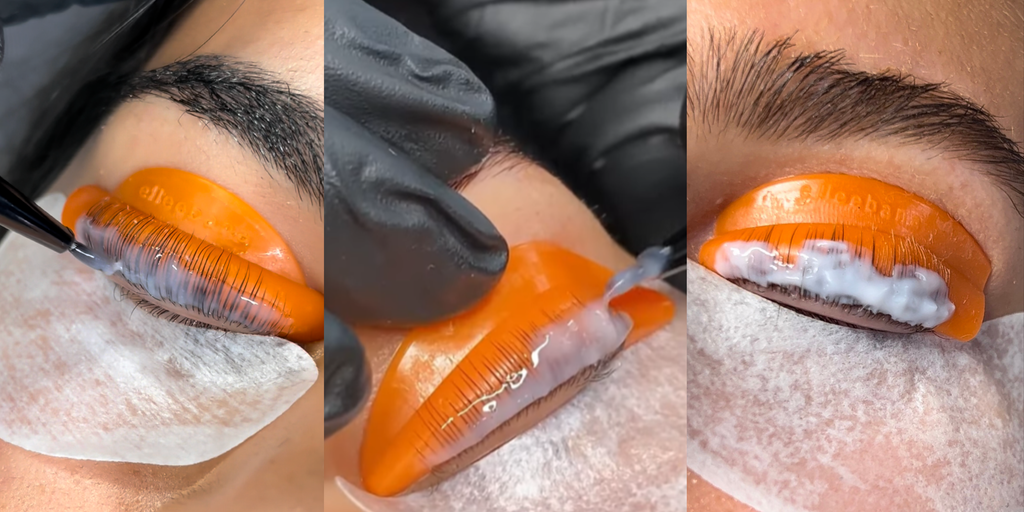
Ensuring that all lotions are properly removed is key in making sure your clients lashes don’t continue to process after the treatment. To remove the lift lotion, take a dry q-tip and remove the bulk of the product off followed by a wet q-tip. This will ensure all of step 1 is properly removed before you apply step 2.
To remove step 2, follow the same steps above as well as an eye-bath rinse at the end. To do this, use a kidney dish or bowl of water, tilt your clients head to the side and gently wipe a cotton round with water over their eye until all lotions and adhesives are properly removed. Finish by drying the clients lashes.
Lotion Placement
Correct product placement is equally important. More product or longer processing does not mean a better lift. Excessive processing can leave lashes dry, frizzy, weakened or damaged.
With a TGA system like One Shot, you want to apply 1mm from the base to about 3/4 up on the lashes, always avoiding the tips. A cysteamine system, like Elleeplex Profusion can be applied to the tips of the lashes. Make sure you have a thick, even coat of lotion to ensure the best results.
Knowledge Makes the Difference
Successful lash lifting comes from understanding the hair, recognising its response and knowing when to adjust your technique.
Learning how to perform Flex and Set checks, select suitable processing times, lotion placement and safely manage corrective work can help you achieve more consistent results while supporting the condition of your client’s natural lashes.
Want to build your confidence with lash lifting, corrective techniques and professional product use? Explore Elleebana Education and learn from experienced Elleebana educators.

Recent Comments